
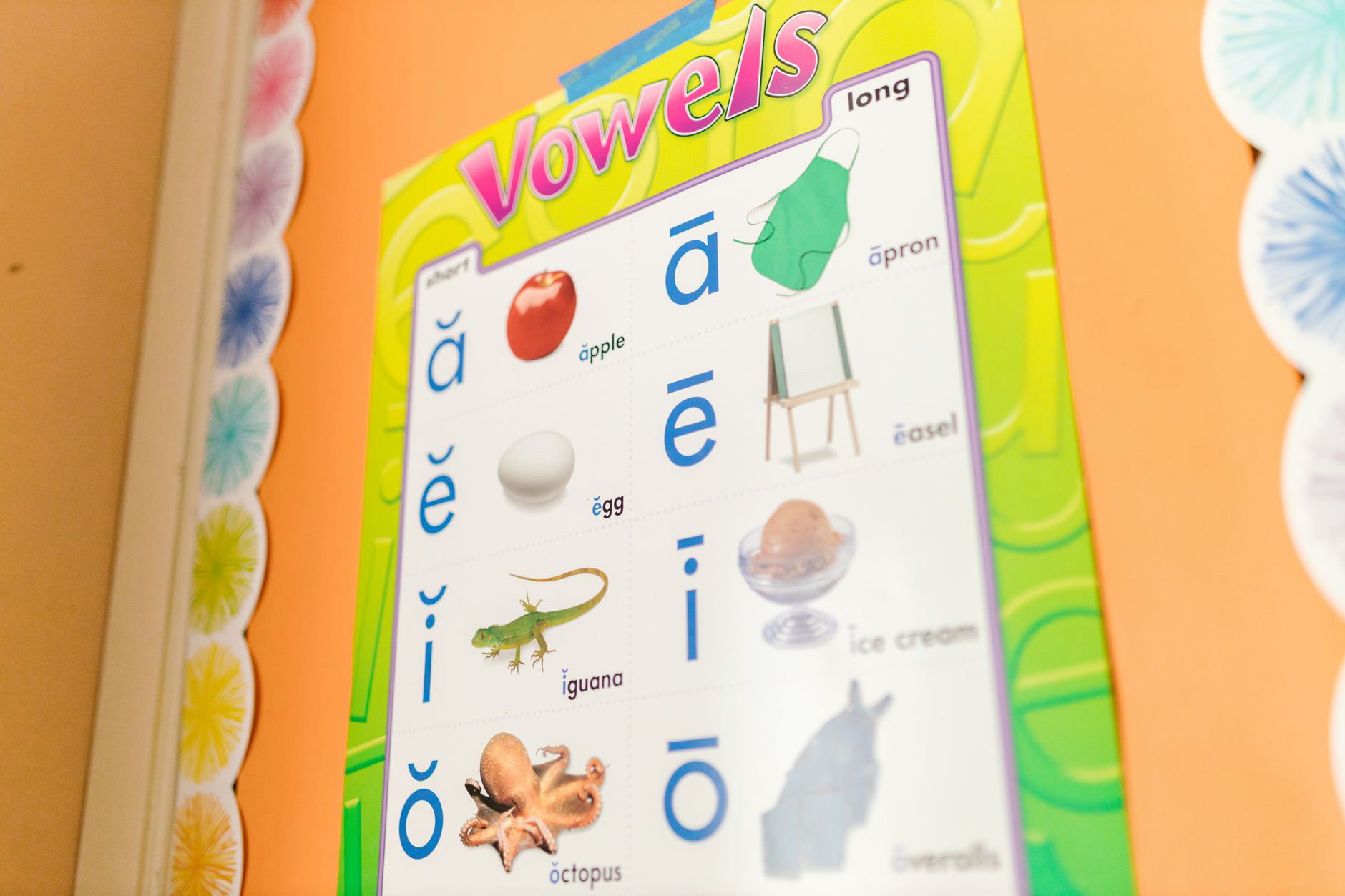

If your child has started school or nursery, you’ve probably heard the word phonics a lot. But what exactly is it?
Phonics is a way of teaching children how to read and spell by helping them understand the sounds that letters make.
For example:
- s makes the sound “sss”
- m makes the sound “mmm”
- t makes the sound “t”
Children then learn to put these sounds together to read words.
For example:
c – a – t → cat
This is called blending.
Why do children learn sounds before reading words?
Before children can confidently read, they need to learn to hear, recognise and say sounds.
They gradually learn that letters represent particular sounds and that these sounds can be combined to make words.
You might hear your child’s teacher say:
“Can you sound it out?”
This simply means encouraging your child to look at the letters, say the sounds and blend them together.
🏠 How can I help at home?
You don’t need to sit your child down for a long lesson. Phonics can be practised naturally during everyday activities.
Try:
Reading together – point to letters and talk about their sounds.
Spotting sounds – “I can see a s on that sign. What sound does s make?”
Play sound games – “Can you find something that starts with b?”
Use everyday words – sound out simple words on shopping lists, labels or signs.
And remember: reading together should be enjoyable, not stressful.
A note for grandparents
If you learnt to read using a different method, some of the terminology may sound unfamiliar. Don’t worry!
You don’t need to teach phonics like a teacher. Simply talking about sounds, sharing books and encouraging children to have a go can make a big difference.
Most importantly, keep reading together. ❤️
The Early Years Bridge
Helping parents and professionals understand children’s learning and development — without the jargon.
Leave a Reply